
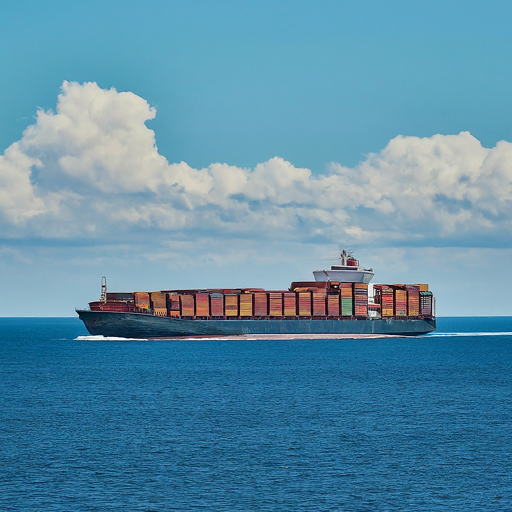
Logistic freight is the complex, yet vital, network that keeps the world’s goods moving. It’s the behind-the-scenes system that ensures everything from groceries to clothing, to even the components of your smartphone, arrive at their destinations efficiently and cost-effectively.
Imagine a world without logistic freight. Store shelves would be bare, construction projects would grind to a halt, and manufacturing would come to a standstill. Logistic freight is the lifeblood of global commerce, and it’s a fascinating industry to explore.
The Intricacies of Logistic Freight
Logistic freight encompasses a wide range of activities, including:
- Transportation: This involves moving goods by land, sea, or air. Trucks, trains, ships, and airplanes are all essential parts of the logistic freight network.
- Warehousing: Goods need to be stored before they are shipped to their final destinations. Warehouses provide secure and efficient storage solutions for all types of products.
- Distribution: Once goods are stored, they need to be distributed to retailers, wholesalers, or directly to consumers. This involves a complex network of transportation and logistics providers.
- Customs clearance: When goods are shipped internationally, they must clear customs. Logistic freight companies can handle all the necessary paperwork and ensure that goods are shipped compliantly.
- Freight forwarding: Freight forwarders act as intermediaries between shippers and carriers. They can help shippers find the best transportation options for their needs and negotiate rates with carriers.
The Seven R’s of Logistics
There’s a saying in the logistics industry: “The right product, in the right quantity, at the right time, in the right condition, at the right place, for the right customer, at the right cost.” This is often referred to as the “seven R’s of logistics.” It highlights the importance of every step in the logistic freight process.
The Benefits of Efficient Logistic Freight
Efficient logistic freight benefits everyone involved in the supply chain. For businesses, it can lead to:
- Reduced costs: By optimizing transportation and storage processes, businesses can save money on their logistics costs.
- Improved customer satisfaction: When goods are delivered on time and in good condition, customers are more satisfied.
- Increased competitiveness: Businesses with efficient logistic freight operations can be more competitive in the marketplace.
For consumers, efficient logistic freight means:
- A wider variety of products available: With efficient logistic freight, businesses can source products from all over the world, which gives consumers a wider variety of choices.
- Lower prices: When businesses can save money on logistics costs, they can pass those savings on to consumers.
- More reliable deliveries: Efficient logistic freight operations mean that consumers are more likely to receive their orders on time and in good condition.
The Future of Logistic Freight
The logistic freight industry is constantly evolving. New technologies, such as automation and artificial intelligence, are being used to improve efficiency and reduce costs. There is also a growing focus on sustainability, as businesses look for ways to reduce the environmental impact of their logistic operations.
Conclusion
Logistic freight is a complex and ever-changing industry, but it is essential for the smooth functioning of the global economy. By understanding the different components of logistic freight, we can appreciate the vital role it plays in our lives.